What Are the Additional Complications of T1D?
Ask most people living with type 1 diabetes (T1D) what the autoimmune disease involves, and they'll likely tell you about insulin, carb counting, and checking blood sugar. These aspects are all crucial to their survival, but T1D affects many other aspects of their health in lesser-known ways. Living with T1D means managing a chronic autoimmune disease that, over time, can affect nearly every system in the body, including the kidneys, heart, nerves, eyes, and even mental health.
At Diabetes Research Connection (DRC), we focus on curing and preventing T1D, but we also fund research into the serious complications that come with it. A cure won't undo the damage already facing millions of people living with T1D today. Here's a closer look at what those complications are, and why DRC is committed to funding research across the full spectrum of this disease.
Beyond Blood Sugar: The Hidden Complications of T1D

Years of elevated blood sugar can gradually damage blood vessels and nerves throughout the body. Some of the most common complications include:
Diabetic kidney disease (nephropathy). High blood sugar can damage the small blood vessels in the kidneys over time, impairing their ability to filter blood and regulate fluid, electrolytes, and blood pressure. Between 30–40% of people with T1D develop diabetic kidney disease, and changes can begin silently years before symptoms appear. In the most advanced stages, it can lead to dialysis or transplant.
Cardiovascular disease. T1D raises the risk of heart attack, stroke, and coronary artery disease. Managing blood pressure and cholesterol alongside blood sugar is essential to reducing this risk.
Nerve damage (neuropathy). Prolonged high blood sugar can injure nerves, most often causing pain, tingling, or numbness in the hands and feet.
Eye damage (retinopathy). Damage to the blood vessels in the retina can lead to vision loss and, in severe cases, blindness.
Diabetic ketoacidosis (DKA). When the body doesn't have enough insulin, it can't use glucose for fuel and starts breaking down fat instead, producing acidic ketones that build up in the blood. DKA is a serious, potentially life-threatening complication that can occur at diagnosis or any time insulin needs go unmet.
Mental health. T1D is mentally and emotionally demanding to manage every day, and research shows people with T1D face a significantly higher risk of depression. Some studies have found the suicide rate among young people with T1D to be 11 times higher than the general population. Each of these complications adds another layer to what it means to live with T1D — and another reason why “checking blood sugar” barely scratches the surface.
Why DRC Funds the Full Picture: Prevention, Treatment, Complications, and a Cure
As DRC Co-Founder and CFO David Winkler puts it, “We are committed to ensuring that DRC becomes one of the most significant forces funding innovative diabetes research that will rid the planet of this disease and its complications.”
That's why DRC's research strategy is built around four pillars: prevention, treatment, complications, and a cure. A cure is the ultimate goal, but it won't help the millions of people already living with T1D-related kidney disease, nerve damage, or depression today. That's why we also fund early-career scientists working to understand, treat, and ultimately prevent these complications. We want to ensure people with T1D can live longer, fuller lives while research toward a cure continues.
Research in Action: Tackling T1D Complications

DRC-funded researchers are already making progress on some of T1D's toughest complications.
Dr. Carmen De Miguel of the University of Alabama at Birmingham is investigating GPER (G-protein coupled estrogen receptor) and its role in kidney inflammation. Her early findings suggest that GPER activation may drive kidney damage and inflammation in diabetic kidney disease, and that blocking it could one day help protect the kidneys from harm. It's exactly the kind of early-stage, preventative science that could open the door to new treatments down the road.
DRC has also funded research into the connection between T1D and depression, led by Dr. Agata Jurczyk at UMass Medical School, which searched for shared genetic signatures between T1D and psychiatric illness. This work aimed to identify people at risk earlier, so preventative support can start sooner.
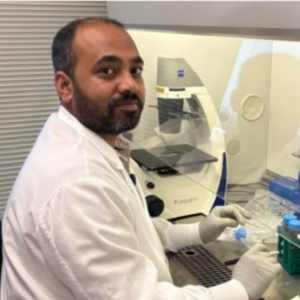
Despite careful blood sugar management, one in three people with T1D develop diabetic kidney disease, and the current treatment options for severe kidney disease aren't safe for people with T1D. That's the problem DRC-funded researcher Dr. Agustin Gonzalez-Vicente, of Case Western Reserve University is working to solve.
Dr. Gonzalez-Vicente (Project #74: The cGAS-STING pathway mediates podocyte injury in type I diabetes) is studying a molecule called STING, which acts like a molecular alarm normally produced by the body in response to infections. Studies of other kidney diseases have shown that kidney cells can get stuck expressing this molecular alarm, driving excess inflammation that eventually destroys the cells and leads to diabetic kidney disease. If STING turns out to be responsible for this damage, it could open a new avenue for treating, and even possibly preventing diabetic kidney disease in people with T1D.
Projects like this remind us that funding “a cure” isn't enough on its own. Real progress means investing in every stage of the disease, from prevention to the complications people are living with right now.
Help Fund the Full Picture
When you support DRC, you're not just funding a search for a cure — you're funding scientists working right now to ease the daily and long-term burden of this disease.
Help fund research into the full picture of T1D: prevention, treatment, complications, and a cure.
Keep up to date with our latest posts and research updates by signing up for our newsletter.
Learn more about the innovative research projects funded by Diabetes Research Connection and how we’re tackling prevention, treatment, complications, and a cure.