


Join us on September 26, 2026, at the Hyatt Regency La Jolla at Aventine for our annual Dance for Diabetes! It will be an evening dedicated to funding groundbreaking Type
Up to $75,000 is available for each research project we support, highlighting the urgent need for continued investigation into Type 1 Diabetes. This funding is vital for uncovering new treatments and ultimately a cure, offering hope to millions affected by this condition. Through dedicated research, we aim to improve lives and change the future of Type 1 Diabetes care.
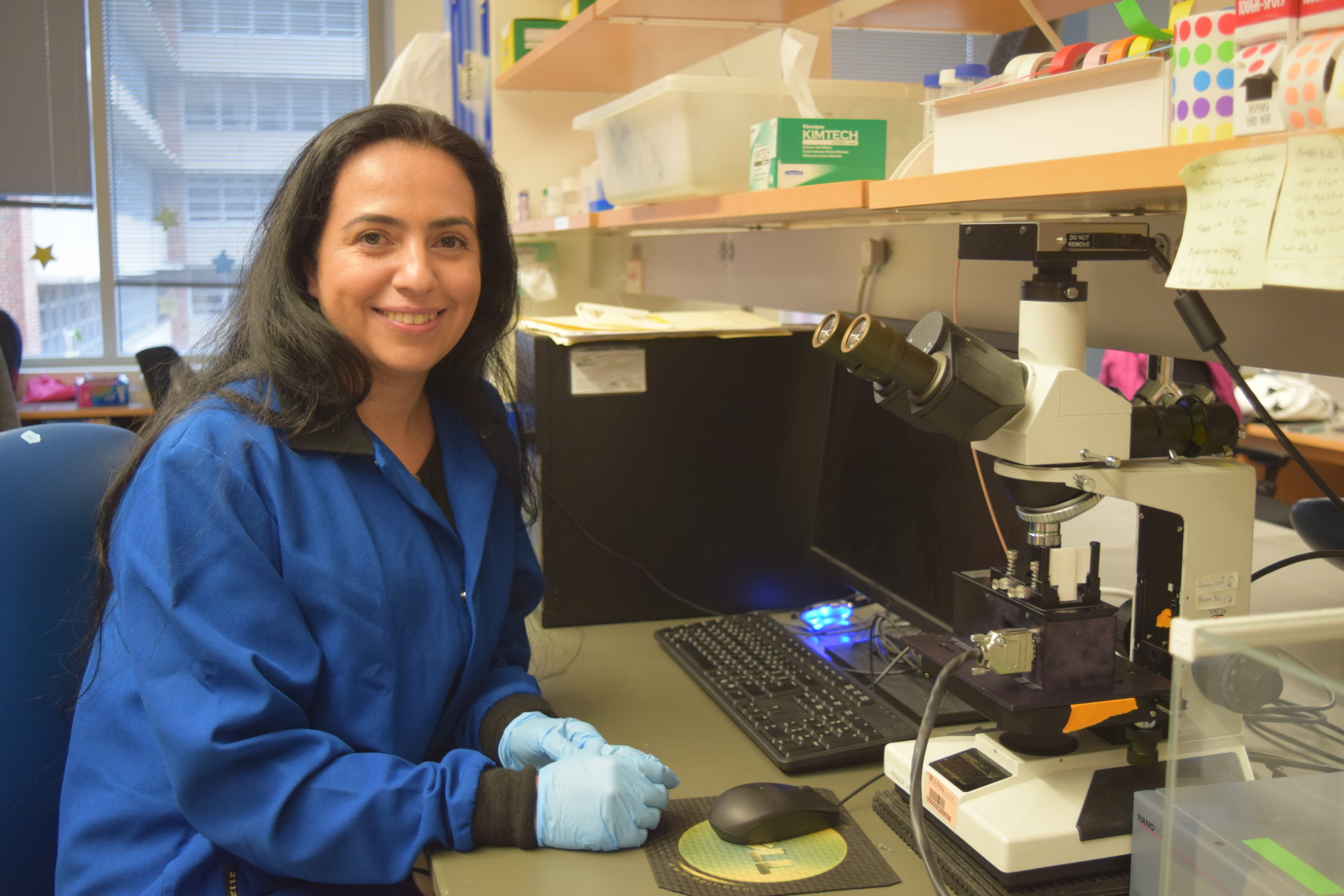
Kidney disease is one of the most common complications of diabetes. Patients with type 1 diabetes often develop signs of kidney malfunction within 5 years from diagnosis, and between 30-40% […]
Type 1 diabetes (T1D) is a condition where the body’s immune system mistakenly attacks and destroys cells in the pancreas called beta cells. These cells are responsible for producing insulin, […]
In type 1 diabetes (T1D) the body’s own immune system attacks and destroys the insulin-producing cells (β-cells) in the pancreas. This leads to a lack of insulin, which is essential […]
Type 1 Diabetes (T1D) is an autoimmune disease where the body’s own immune system attacks and destroys the insulin-producing beta cells in the pancreas. This leads to a cascade of […]
Type 1 diabetes (T1D) is caused by the autoimmune destruction of insulin-producing β-cells while leaving behind other pancreatic islet cell types. Over the past decade, research has demonstrated that pancreatic […]
The immune system, which normally protects us from infection, can improperly attack the insulin-producing beta cells in the pancreatic islets, which leads to type 1 diabetes (T1D). Often, when an […]
Type 1 Diabetes is an autoimmune disease which involves both environmental and genetic drivers. It is thought that genetic mutations that contribute to T1D impact the function of cells of […]
In Type 1 Diabetes (T1D), the immune system mistakenly attacks the cells in the pancreas that produce insulin, leaving the body unable to regulate blood sugar levels properly. While the […]
Type 1 diabetes (T1D) occurs due to a loss of insulin producing beta cells in the pancreas. The hormone insulin regulates blood glucose levels which is vital for the metabolic […]
Project Description Stem cells offer new hopes for cell replacement therapies to cure Type 1 Diabetes (T1D), an autoimmune disease causing the loss of insulin-producing b-cells. Yet, despite promising results from […]
#InnovativeDiabetesResearch

