



Subscribe to our newsletter to receive project updates, latest diabetes research news, and more.
See the momentum created by donor support, from groundbreaking research and human clinical trials to the lives impacted by early-stage T1D innovation. Inside, you’ll discover the researchers, stories, and progress driving us closer to better treatments and a cure.
Kidney disease is one of the most common complications of diabetes. Patients with type 1 diabetes often develop signs of kidney malfunction within 5 years from diagnosis, and between 30-40% […]
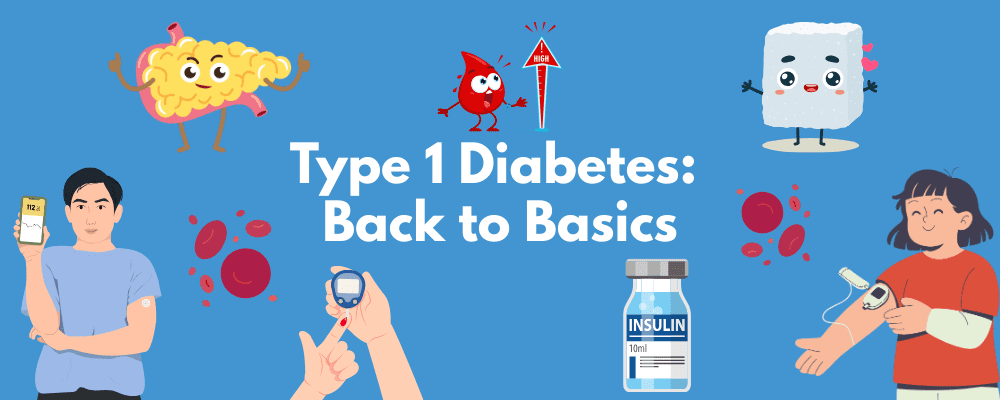
Type 1 diabetes (T1D) is a condition where the body’s immune system mistakenly attacks and destroys cells in the pancreas called beta cells. These cells are responsible for producing insulin, […]
In type 1 diabetes (T1D) the body’s own immune system attacks and destroys the insulin-producing cells (β-cells) in the pancreas. This leads to a lack of insulin, which is essential […]
Type 1 Diabetes (T1D) is an autoimmune disease where the body’s own immune system attacks and destroys the insulin-producing beta cells in the pancreas. This leads to a cascade of […]
Type 1 diabetes (T1D) is caused by the autoimmune destruction of insulin-producing β-cells while leaving behind other pancreatic islet cell types. Over the past decade, research has demonstrated that pancreatic […]
The immune system, which normally protects us from infection, can improperly attack the insulin-producing beta cells in the pancreatic islets, which leads to type 1 diabetes (T1D). Often, when an […]
Type 1 Diabetes is an autoimmune disease which involves both environmental and genetic drivers. It is thought that genetic mutations that contribute to T1D impact the function of cells of […]
In Type 1 Diabetes (T1D), the immune system mistakenly attacks the cells in the pancreas that produce insulin, leaving the body unable to regulate blood sugar levels properly. While the […]
Type 1 diabetes (T1D) occurs due to a loss of insulin producing beta cells in the pancreas. The hormone insulin regulates blood glucose levels which is vital for the metabolic […]
Project Description Stem cells offer new hopes for cell replacement therapies to cure Type 1 Diabetes (T1D), an autoimmune disease causing the loss of insulin-producing b-cells. Yet, despite promising results from […]
Diabetes Research Connection (DRC), are making a significant impact in the fight against diabetes. Each year, countless individuals and their families face the challenging diagnosis of diabetes. Our efforts are dedicated to supporting these communities through groundbreaking research and innovative solutions, aiming to transform the way diabetes is understood.
Lauren and Kyra
Meet Lauren and her older sister, Kyra. Lauren has been part of DRC for four years and has navigated Type 1 Diabetes since the age of six.
Reflecting on her childhood, Lauren shares, “When I was five years old, I completely lost my appetite and refused to eat anything for over a week. I was drinking orange juice and water by the gallon, and I was constantly exhausted.
My parents initially thought I had a bad case of the flu. Then I began to lose weight rapidly. My body became just skin and bones, and my parents realized it was more serious.”
Recalling a pivotal moment, Lauren adds, “When I refused to even taste my own birthday cake at my sixth birthday party, my mom took me to the emergency room. After hearing my symptoms, the doctor immediately checked my blood sugar levels, which were over 900. I was hours from going into a coma. I am so fortunate to have been diagnosed before it was too late. It is incredibly important to be aware of the signs so that Type 1 Diabetes can be caught as early as possible.”
Kyra, Lauren’s sister, was diagnosed at 13, four years after Lauren. She shares her experience, stating, “I specifically remember being extra thirsty and feeling as though no amount of water could quench my thirst. Subsequently, I was peeing way more than normal. I realized pretty quickly what was going on, so I stole my little sister’s glucose monitor and checked my blood sugar. Sure enough, I saw ‘320’ flash across the screen and knew this meant I had T1D too.”
Kyra also emphasizes, “Being a medical student living with Type 1 Diabetes, DRC holds personal significance to me as it highlights the vital role of early-career scientists. By uniting these emerging researchers with donors, DRC encourages the next generation of scientific leaders to drive innovation and breakthroughs in diabetes research.”
Allison and Mac
Imagine facing each day with the weight of a life-threatening and unrelenting medical condition. Allison knows the reality of this all too well. Both she and her sister, Marianne have lived with Type 1 Diabetes (T1D) since childhood and, just recently, her 4-year-old son, Mac, was also diagnosed with T1D – a day she describes as “the worst day of my life.” Allison felt a deep sense of sadness, knowing the daily burdens of T1D that Mac would now face.
“Type 1 Diabetes is completely exhausting,” Allison shares. “While treatments have come a long way, with incredible advancements like the CGM and integrated pump, we still carry the burden of this disease.”
Like Allison and her family, millions of others worldwide hope for the day when the burdens of T1D no longer exist. DRC shares that hope and remains committed to funding the most promising T1D researchers across the country who are tirelessly working toward a cure.
Currently, 1.6 million Americans live with Type 1 Diabetes (T1D), including 200,000 children. Approximately 64,000 new patients are diagnosed yearly. With your backing, we can drive innovation and advancements to find a cure.
The time from application to funding can be as short as six months, compared to over a year for other funding agencies. Additionally, 100% of our research funds go directly to the scientists to ensure transparency.
Donor-Driven, Peer-Reviewed, Innovative Diabetes Research
Diabetes Research Connection is at the forefront of funding groundbreaking diabetes research aimed at discovering innovative treatments, therapies, and eventually a cure.


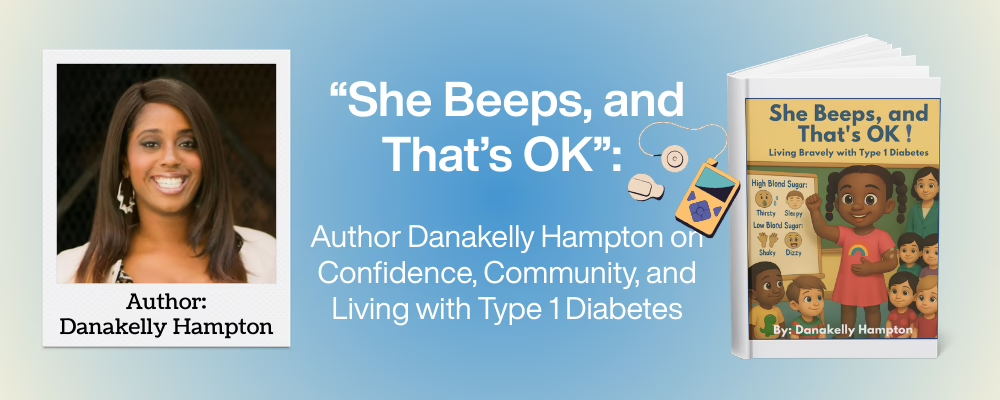
For children living with Type 1 diabetes, medical devices like insulin pumps and glucose monitors can sometimes feel like an unwanted spotlight—especially when they beep in the middle of class […]
#InnovativeDiabetesResearch
research in diabetes, research diabetes
Diabetes Research Connection (DRC) is a dedicated non-profit organization committed to accelerating the search for a cure for Type 1 Diabetes (T1D). By focusing on early-career scientists and their innovative research proposals, DRC provides crucial seed funding that can lead to significant advancements in understanding, treating, and ultimately eradicating T1D.
The organization acts as a vital bridge, connecting passionate donors with promising research projects. This synergy ensures that groundbreaking ideas receive the necessary financial support to move from concept to tangible results, fostering a community united by the goal of a T1D-free future.
DRC employs a rigorous, donor-driven, and peer-reviewed process to select and fund innovative T1D research projects. This ensures that donor contributions are directed towards the most promising and impactful scientific endeavors, maximizing the potential for breakthroughs.
The organization specifically targets early-career researchers, recognizing their potential for fresh perspectives and groundbreaking discoveries. By providing seed funding, DRC empowers these scientists to conduct initial studies, gather crucial data, and position their work for larger follow-on grants, thereby building a robust pipeline of T1D research.
Every donation made to Diabetes Research Connection directly fuels innovative early-career T1D research, bringing us closer to better treatments and a cure. Your support is instrumental in enabling scientists to explore novel approaches and conduct critical experiments that might otherwise go unfunded.
The impact of these donations is substantial, as evidenced by DRC's track record of distributing millions in research seed funding and attracting significantly more in follow-on funding for supported projects. This multiplier effect demonstrates how donor generosity can amplify research efforts and accelerate progress towards a T1D-free world.
Diabetes Research Connection funds a diverse range of T1D research projects, spanning from understanding the intricate mechanisms of the disease to developing novel therapeutic interventions. The focus is on innovative, early-stage research with the potential for significant impact.
Current and past projects explore areas such as the role of specific cellular pathways in T1D pathogenesis (e.g., GPER, LGR4, PD-L1), the potential for immune system re-education, beta-cell regeneration, and the identification of autoreactive signatures in at-risk individuals. This broad scope ensures a comprehensive attack on the multifaceted challenges of T1D.