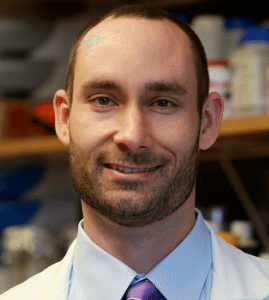
In type 1 diabetes (T1D), the T cells of the immune system mistakenly attack insulin-producing beta cells of the pancreas. In addition to cells essential to metabolism, the pancreas is also home to resident immune cells called macrophages. Macrophages are essential at keeping the remaining pancreatic cells safe by surveilling for pathogens and orchestrating immune responses when necessary. Dr. Pavel Zakharov hypothesizes that pancreatic macrophages may be essential for quelling the immune response of potentially autoreactive T cells, which recognize and attack beta cells, ultimately causing T1D. Using single-cell RNA sequencing, Dr. Zakharov was able to identify a potential population of macrophages within the pancreas that produce signals that suppress T cell attacks. Building on this new knowledge, Dr. Zakharov’s project proposes to further characterize the mechanism by which these cells can deter autoimmune attack, and understand the subsequent behavior of turned-off autoimmune T cells. If successful, this research could uncover a new therapeutic avenue for preventing or slowing T1D progression by stopping harmful autoimmune T cells from continuing their attack on insulin-producing beta cells. Ultimately, learning how to harness this natural protective mechanism could provide a new way to intervene in T1D before significant beta cell loss occurs.