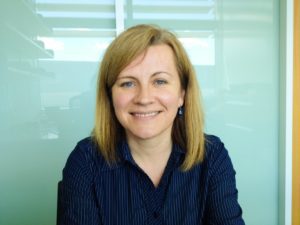
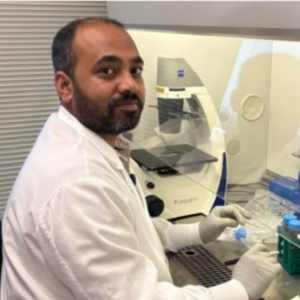
In November, Diabetes Research Connection (DRC) hosted Orchestrating a Cure, an intimate salon-style evening that brought together the power of science and symphony in support of type 1 diabetes (T1D) research. Guests experienced a moving performance by internationally acclaimed cellist Alisa Weilerstein and heard from DRC-funded researcher Leonardo Ferreira, who shared insights into his groundbreaking work advancing the future of T1D treatment.
Following her performance, Weilerstein joined her husband, Rafael Payare, for a candid conversation about her personal experience living with type 1 diabetes since childhood. In this interview, she reflects on the discipline and resilience the disease has required, the realities of managing T1D while performing around the world, and the hope she finds in the rapid pace of scientific innovation.
You’ve been living with type 1 diabetes since childhood. Can you share what that diagnosis was like for you and how it shaped the person and artist you are today?
I was diagnosed in March 1992, the month before my tenth birthday. It was an interesting and more hopeful time, as the DCCT results had just come out, showing definitively that tight blood sugar control could significantly reduce or even eliminate the risk of the devastating complications associated with type 1 diabetes. It was impressed upon me very early on that with constant vigilance, I would be able to live the life that I wanted to live. This gave me tremendous discipline and resilience, which are qualities that shaped me both personally and artistically.
Performing around the world takes incredible stamina and focus. How has living with type 1 diabetes impacted the way you prepare for performances or manage life on tour?
Touring with T1D means I’m always planning; around time zones, adrenaline, meals, sleep, long rehearsal, and multiple concerts. A performance isn’t just artistic preparation; it’s also metabolic strategy! Technology has made things safer and more seamless, but the mental load of living with type 1 diabetes 24/7/365 is still significant, to say the least.
Since your diagnosis, you’ve witnessed advances in treatment and technology. Why is supporting T1D research, and organizations like DRC, so important to you personally?
The progress I’ve seen in my lifetime has been extraordinary, and it happened because people have believed and invested in research. Every advancement has given me more freedom and safety in daily life. Supporting organizations like DRC matters to me because they accelerate that progress, bringing real breakthroughs closer to reality. With T1D on the rise, research for a cure is more important than ever.
How would a T1D cure impact your life as a musician, wife, and mother?
A cure would mean liberation in every sense of the word. I have had T1D for so long that I literally cannot even imagine living without the constant mental calculation that staying healthy with T1D requires. I do know that a cure would affect all aspects of my life in the most profound ways.
As someone who’s lived with type 1 diabetes, what gives you the most hope right now?
The pace of scientific innovation gives me enormous hope. We’re seeing advances that go beyond better management and technology and move toward changing the course of the disease itself. Just as inspiring is the collective commitment of researchers, families, and advocates who remain so dedicated to finding a cure.
For more than three decades, Alisa Weilerstein has balanced the demands of an international music career with the relentless realities of living with type 1 diabetes. Her story is a powerful reminder that while advances in treatment and technology have transformed daily life for many people with T1D, the need for continued research remains urgent.
At Diabetes Research Connection, we believe that supporting innovative early-career scientists is essential to accelerating breakthroughs that can change — and ultimately save — lives. Conversations like this one help shine a light on both the challenges of living with T1D and the extraordinary hope driving the search for a cure.
We are deeply grateful to Alisa Weilerstein for sharing her experience and lending her voice to the mission of advancing type 1 diabetes research.
If this conversation resonated with you, here are a few ways to stay connected and support the broader T1D community:
Learn more about Alisa Weilerstein and check out her tour schedule.
Make a contribution to help fund innovative, early-career scientists working toward life-changing Type 1 diabetes breakthroughs through Diabetes Research Connection.
Sign up for our newsletter for more community stories, upcoming events, and research updates.
As our first event of this kind, Orchestrating a Cure demonstrated the power of connecting supporters directly with the research they make possible. We look forward to hosting more of these gatherings and invite others to help expand this experience, grow our community, and accelerate progress toward a cure. To host a similar event in your home, contact us at giving@diabetesresearchconnection.org