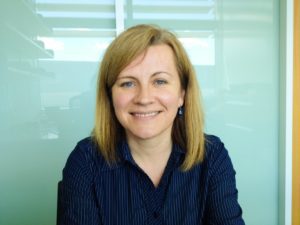
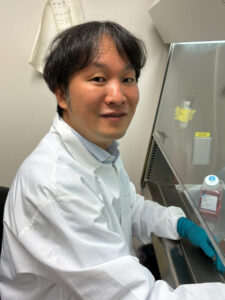
In 2022, Diabetes Research Connection (DRC) awarded seed funding to Dr. Leonardo Ferreira for his project, “A Potential Second Cure for T1D by Re-Educating the Patient’s Immune System.” What began as a bold early-stage concept has since progressed toward human testing, attracted industry investment, and most recently reached a wider audience through a TEDx talk in Charleston.
Re-Educating the Immune System to Accept Insulin-Producing Cells
For more than two decades, islet cell transplantation has shown promise as a treatment for type 1 diabetes (T1D). However, one major challenge has limited its widespread use: patients typically require lifelong immunosuppressive drugs to prevent the immune system from attacking transplanted insulin-producing beta cells.
Dr. Ferreira and his team developed an innovative approach to overcome this barrier by harnessing the body’s own regulatory T cells (Tregs). He often describes the immune system as an army, with Tregs serving as its “generals.” These specialized cells help keep the immune system balanced by preventing excessive immune responses that can lead to autoimmune diseases such as T1D.
His team engineered Tregs with a chimeric antigen receptor (CAR) and paired them with engineered stem cell-derived beta cells designed to be recognized by these protective immune cells. Together, the cells create a targeted “molecular handshake” that teaches the immune system to accept transplanted beta cells rather than destroy them.
This technology was later licensed to the Swedish company Sana Biotechnology. Recently, Sana announced encouraging six-month follow-up results from the first human trial of UP421, a donor islet cell therapy modified with its hypoimmune (HIP) technology. In the study, a patient with T1D received transplanted beta cells without immunosuppressive drugs.
Six months after transplantation, the beta cells were still surviving and functioning, demonstrated by the presence of C-peptide, a key marker of insulin production. No significant safety concerns were identified, and the modified cells successfully avoided immune detection.
These findings represent an important milestone toward what could one day become an off-the-shelf cure for T1D, eliminating the need for lifelong immunosuppression while restoring the body’s ability to produce insulin.
Taking the Science to the TEDx Stage
In May, Dr. Ferreira brought this groundbreaking work to a broader audience during a TEDx talk in Charleston.
In the presentation, he shared the personal curiosity that first drew him to science, beginning with a childhood fascination with salamanders and their remarkable ability to regenerate lost limbs. He connected that early wonder to his current work in regenerative medicine and immunology, explaining how researchers can now create insulin-producing beta cells from stem cells and why protecting those cells from immune attack remains one of the biggest challenges in curing T1D.
Dr. Ferreira illustrated how engineered regulatory T cells can act as “bodyguards” for transplanted beta cells, potentially allowing people with T1D to produce insulin naturally again.
One particularly powerful message from the talk highlighted the importance of scientific discovery itself:
“Science is like that; every discovery builds upon a previous discovery. This is why it is so important to have constant and stable funding for biomedical research, because you never know where the next breakthrough will come from.”
The talk also emphasized that the implications of this technology extend beyond T1D. Similar approaches could potentially improve outcomes for organ transplant recipients by protecting transplanted tissues without requiring broad immune suppression.
Why Seed Funding Matters
The journey from an innovative idea to a human clinical trial rarely happens without early support.
As DRC Scientific Director Dr. Vincenzo Cirulli explains:
“Early-stage, or ‘seed’ funding is essential in type 1 diabetes research because it supports bold, high-risk ideas before the data needed to secure major grants exists.”
Without this critical support, many promising concepts never progress beyond the drawing board. DRC funding enables researchers to generate the early proof-of-concept data needed to validate their ideas, attract additional investment, and pursue larger funding opportunities.
DRC-funded projects have already contributed to important advances in the field, including new approaches to protecting or restoring insulin-producing cells and deeper insights into the immune system’s role in T1D. These foundational discoveries are helping pave the way for more targeted therapies and, ultimately, a cure.
Dr. Ferreira’s work is a powerful example of the impact of this model. Initial seed funding helped advance a novel concept that has since moved toward human testing and gained recognition on an international stage.

Help Fuel the Next Breakthrough
The next transformative idea could already be waiting in a laboratory today. You can help make it possible by supporting Diabetes Research Connection’s mission to fund the most innovative and promising T1D research projects.
– Explore our latest funded research projects. If one project especially resonates with you, you can direct 100% of your contribution to support that specific study.
– Stay informed. Sign up for our newsletter to receive updates on funded researchers, scientific advances, and upcoming opportunities to get involved.
– Join our community. Attend an upcoming event or volunteer to help advance DRC’s mission.
Together, we can help provide the early funding that turns bold ideas into life-changing discoveries.