

 Close
Close
Practical tips for navigating food, drinks, and blood sugar during the holidays
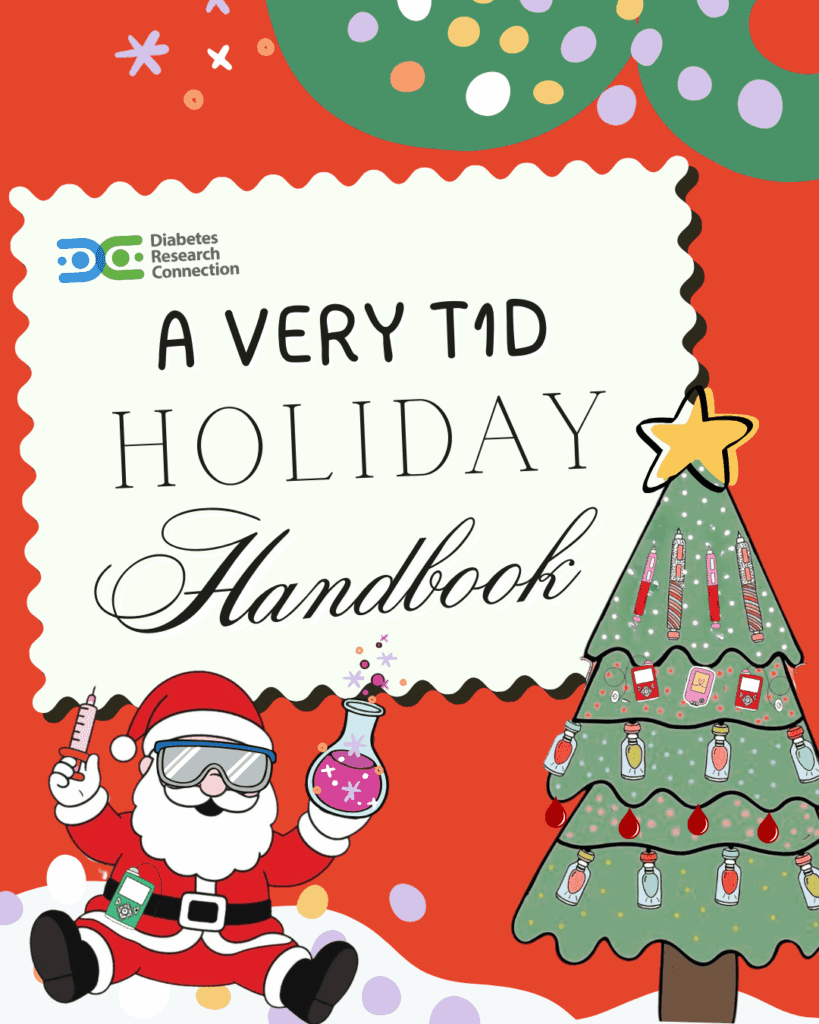
The holidays are full of joy, connection, and unpredictability. From buffet tables to festive cocktails and late nights, people living with type 1 diabetes (T1D) often have to balance celebration with careful planning. This Very T1D Holiday Handbook is here to help you enjoy the season while staying supported, prepared, and informed.
Whether you’re heading to a party, hosting family, or enjoying a quiet night in, these tips can help you feel more confident navigating holiday meals, desserts, and drinks.
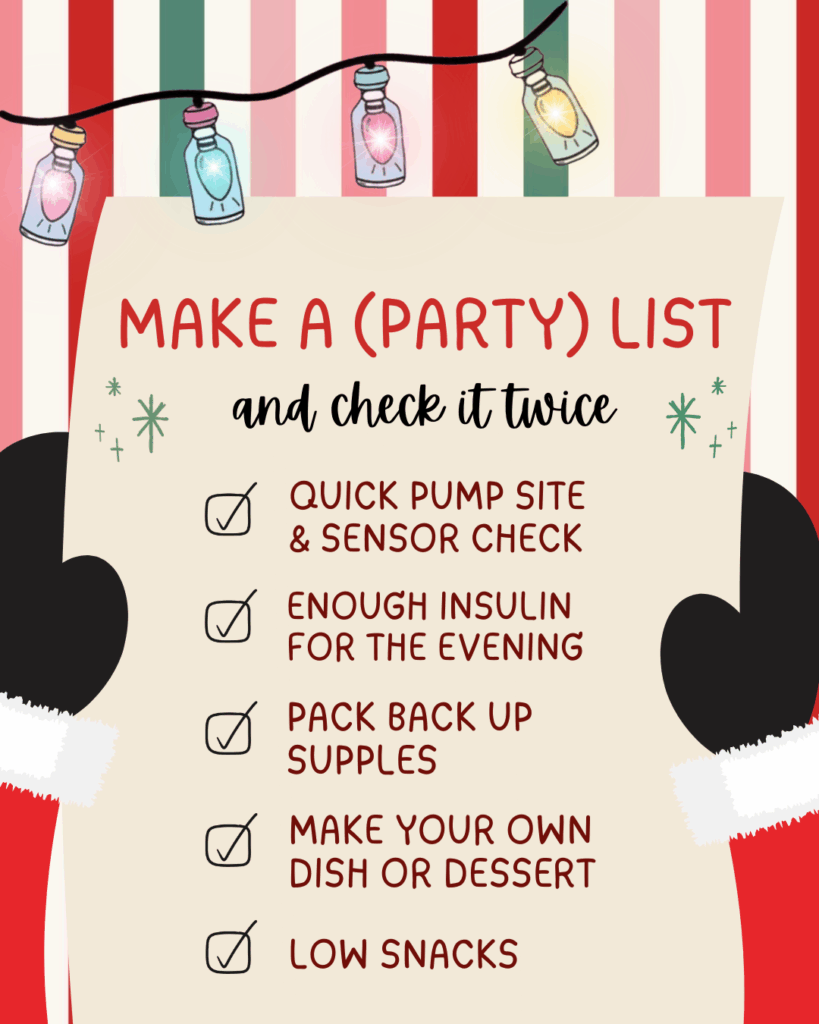

Make a (Party) List and Check It Twice
Before heading out, a little preparation can go a long way toward reducing stress later.
Holiday diabetes checklist:
- Do a quick pump site and CGM sensor check
- Bring enough insulin for the evening
- Pack backup supplies (because redundancy is peace of mind)
- Consider making or bringing your own dish or dessert
- Carry fast-acting snacks for treating low blood sugar
Having a plan doesn’t mean you can’t be spontaneous—it just means you’re ready if things shift.
Hack the Holiday Buffet
Holiday meals are often mixed dishes with layers of carbs, fats, and sugars, which can make dosing tricky. A simple strategy can help:
- Start with protein
- Add vegetables (watch out for hidden glazes or sauces)
- End with your favorite carbs
A few things to keep in mind:
- Logging “just a nibble” can still be helpful
- Mixed dishes like casseroles, soups, sauces, and glazed vegetables often contain hidden carbohydrates
- When unsure, bolus conservatively and adjust as needed
- Grazing can lead to carb stacking—small bites add up quickly
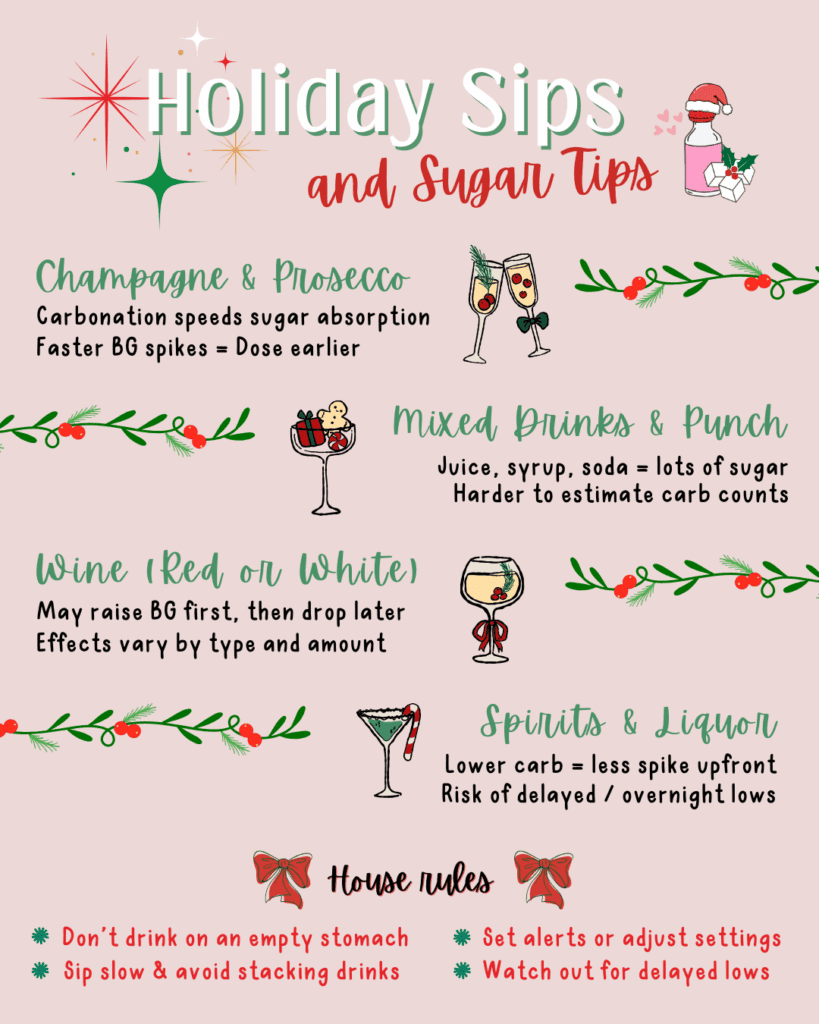
Holiday Sips and Sugar Tips
Alcohol affects blood glucose differently depending on the type, amount, and what it’s consumed with. Knowing the general patterns can help you plan ahead.
Common holiday drinks and their effects:
- Champagne & Prosecco: Carbonation can speed sugar absorption, leading to faster spikes—earlier dosing may help
- Mixed drinks & punch: Juice, syrups, and soda make carb counts harder to estimate
- Wine (red or white): May raise blood glucose initially, followed by a later drop—effects vary
- Spirits & liquor: Lower carb upfront but higher risk of delayed or overnight lows
House rules for holiday drinking:
- Watch closely for delayed lows
- Don’t drink on an empty stomach
- Set alerts or adjust device settings if needed
- Sip slowly and avoid stacking drinks
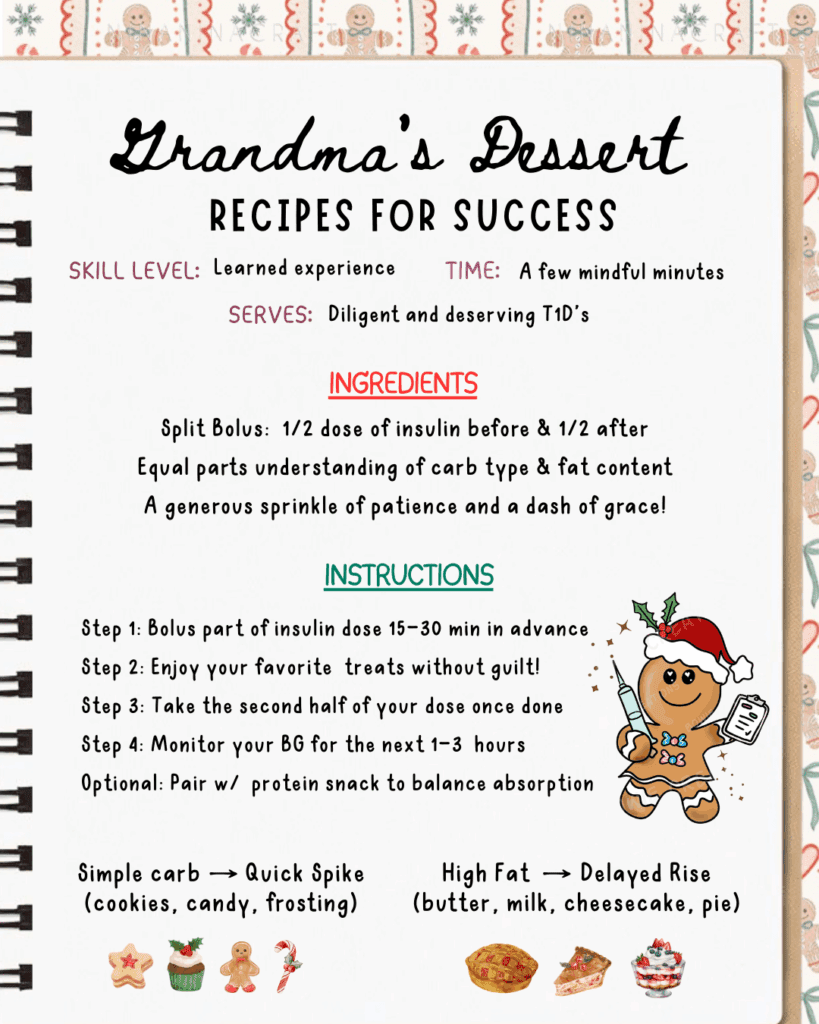
Grandma’s Dessert: A Recipe for Success
Dessert doesn’t have to be off-limits. With a little strategy (and a lot of grace), it can absolutely be part of the celebration.
Ingredients:
- A split bolus (½ before, ½ after)
- An understanding of carb type and fat content
- A generous sprinkle of patience and self-compassion
Instructions:
- Bolus part of your insulin dose 15–30 minutes before dessert
- Enjoy your favorite treats—without guilt
- Take the second half of your dose after you’re done
- Monitor blood glucose for the next 1–3 hours
Optional: Pair dessert with a protein snack to slow absorption.
Helpful reminders:
- High-fat desserts = delayed rise (cheesecake, pie, buttery treats)
- Simple carbs = quicker spike (cookies, candy, frosting)
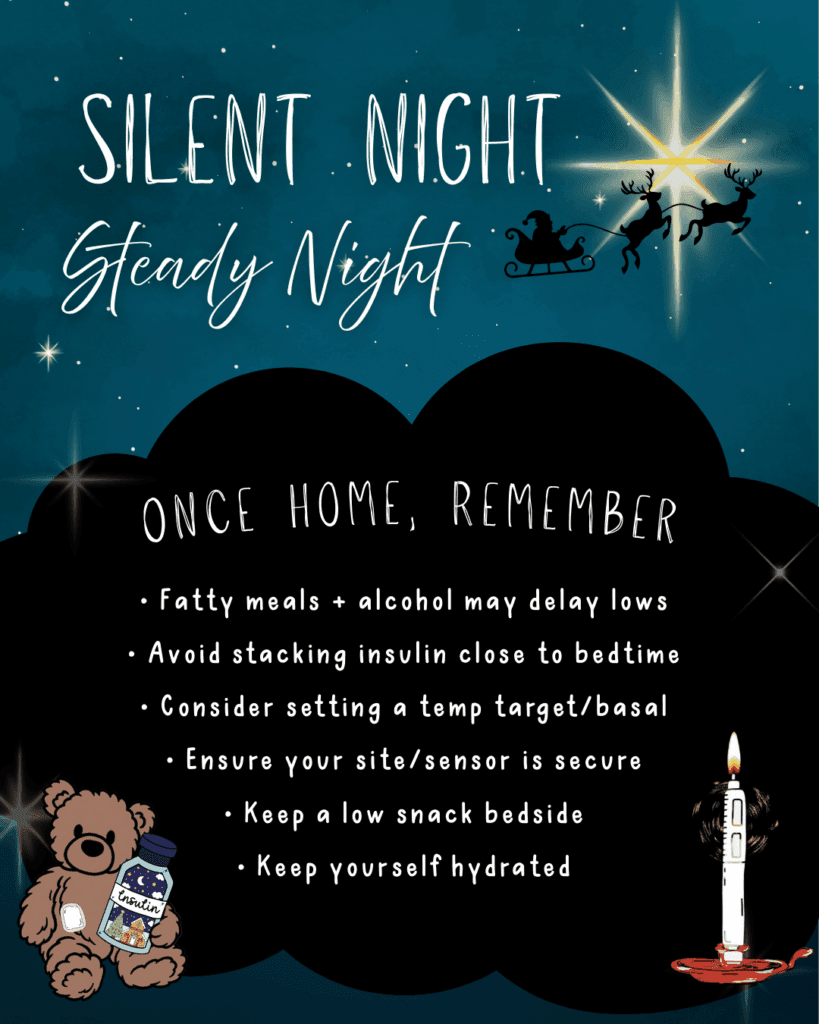
Silent Night, Steady Night
Once the festivities wind down and you’re home, a few final checks can help set you up for a smoother night.
Before bed:
- Stay hydrated
- Remember that fatty meals and alcohol can delay lows
- Avoid stacking insulin close to bedtime
- Consider setting a temporary target or basal rate
- Check that your pump site and sensor are secure
- Keep a low snack nearby
A Gentle Reminder
These tips are intended as general guidance only. Diabetes management is highly individual, and bodies can respond very differently to food, alcohol, stress, and routine changes. Always consult with your healthcare provider or diabetes care team about what works best for your specific needs.
You can also download the original social media version of this guide as a PDF for quick reference and sharing.
- Be sure to follow Diabetes Research Connection on social media for more practical, real-world tips like this.
- Sign up for our newsletter for updates on how DRC supports early-career scientists advancing type 1 diabetes research.
- Help advance type 1 diabetes research by supporting early-career scientists through Diabetes Research Connection.