

 Close
Close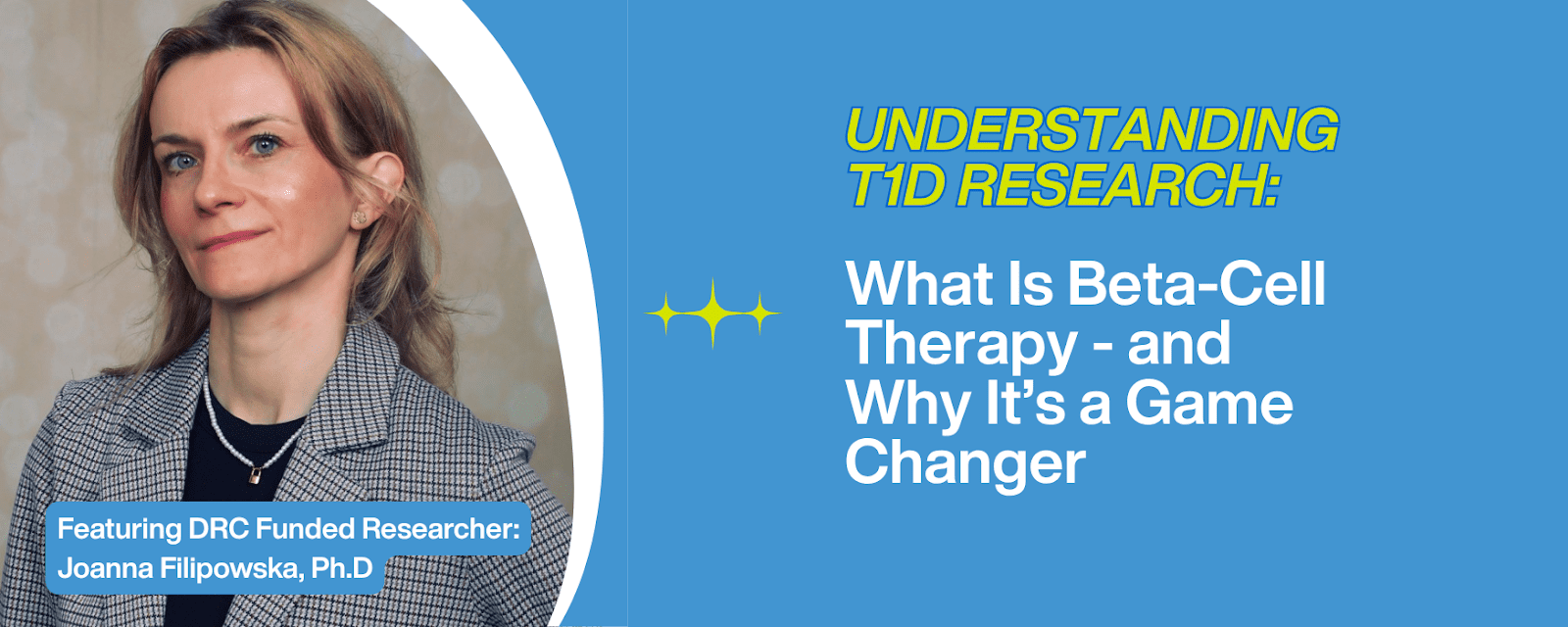
For people living with type 1 diabetes (T1D), the core issue lies in the immune system’s destruction of β-cells—the pancreatic cells responsible for producing insulin. Without these vital cells, the body loses its ability to regulate blood sugar, making lifelong insulin therapy the standard approach.
Beta-cell therapy aims to change that narrative. By replenishing or protecting the body’s own insulin-producing cells, this emerging field offers the potential for a future beyond daily insulin injections.

Major Types of Beta-Cell Therapy for T1D
- Cell Transplantation
- Islet Cell Transplants: Donor pancreatic cells are infused into the liver. Roughly 50% of patients achieve insulin independence, although lifelong immunosuppression is typically required.
- Stem Cell–Derived Beta Cells: Lab-grown insulin-producing cells show promise in early trials, including studies in mice and small human groups.
- Beta-Cell Regeneration
- Drug Therapies: Some medications are being explored to stimulate the regeneration of existing β-cells within the body.
Transdifferentiation: This approach reprograms other cell types (like liver cells) to behave like insulin-producing β-cells.
Why Beta Cell Therapy in Type 1 Diabetes Offers Real Hope
- Reduces or replaces insulin dependence: Restores the body’s natural insulin production.
- Stabilizes blood sugar: Helps prevent severe highs and lows for better daily management.
- Future potential with gene editing: Tools like CRISPR could help protect new or existing beta cells from immune attack.
Proven concept: Lantidra, an FDA-approved donor islet cell therapy, demonstrates the real-world feasibility of beta cell replacement therapy for certain T1D patients.
DRC’s LGR4-ECD Research: Protecting Beta Cells Naturally
The Diabetes Research Connection (DRC) is currently funding groundbreaking research led by Dr. Joanna Filipowska at City of Hope, focused on a protein called LGR4-ECD.
The immune system and type 1 diabetes are closely linked, as the former attacks and stresses β-cells. LGR4-ECD acts as a protective shield, potentially reducing inflammation and prolonging the function and survival of these essential cells.
Why is this important? Even with current treatments, many beta cells are short-lived. Preserving them could reduce insulin dependence and improve long-term health outcomes.
This T1D prevention research marks a step forward in preserving natural insulin production and could support future beta-cell therapies.
What’s Next for Beta-Cell Therapy — and DRC’s Mission
Innovations like Dr. Filipowska’s work on LGR4‑ECD could accelerate progress toward two major goals:
- Enhancing existing cells to reduce or delay insulin dependence.
- Paving the way for cell transplant or regenerative therapies by safeguarding newly introduced or stimulated β‑cells.
By funding early-stage, high-impact research, DRC plays a vital role in accelerating progress toward a functional cure for type 1 diabetes.
Final Takeaway
Beta-cell therapy represents a bold shift from managing type 1 diabetes symptoms to potentially curing the disease. From regeneration and protection to transplantation, these innovations aim to help people with T1D live with fewer interventions and more freedom.
With pioneering projects like LGR4-ECD, DRC is leading the way in supporting promising science that could offer new treatments for type 1 diabetes and reshape diabetes care. To support our mission, consider sharing this post, subscribing to updates, or donating at DiabetesResearchConnection.org.